Summary
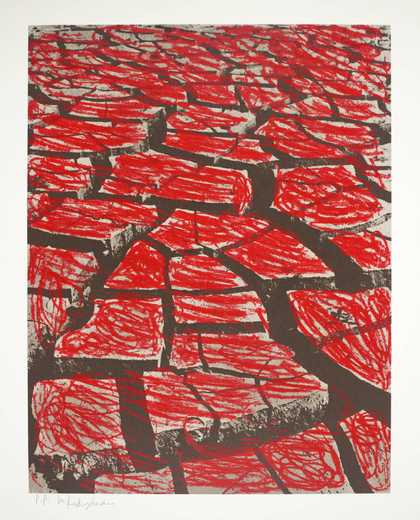
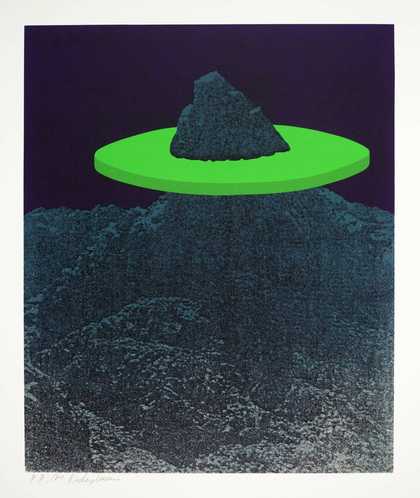
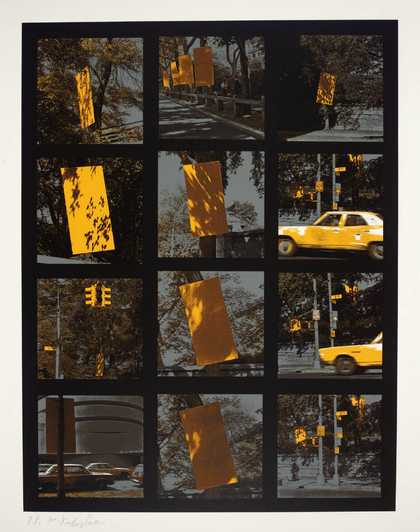
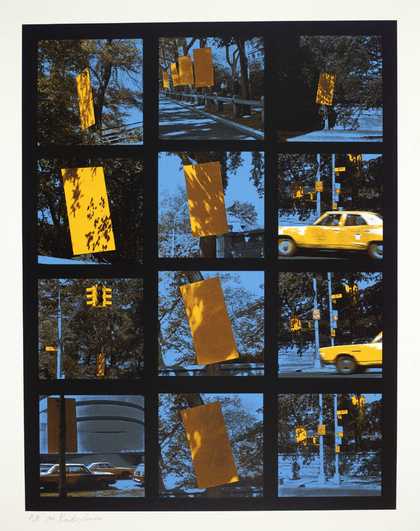
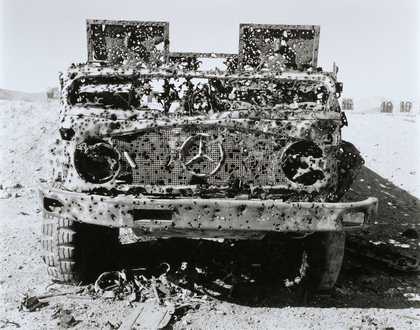
This text discusses Yerucham, 1997 (P11752-11755), four photographs by Gilad Ophir from the Necropolis Series, a collective work by Israeli artists Ophir and Roi Kuper (born 1956). Tate owns a number of other photographs from this group, five by Ophir (titled Shooting Targets, 1997, P11747-11751), and eight by Kuper (all Untitled, 1999, P11736-P11743).
The Yerucham photographs portray abandoned camp emplacements near the small development town of Yerucham in the Negev desert, southern Israel. None of these sites are marked on the map but knowledge of them is gained by word of mouth. They are thus secret or quasi-secret locations. No reason is given and no evidence available as to why the camp was abandoned. Ophir highlights the issue of colonisation of the desert, this time for military reasons, when man displays his omnipotence by imposing structure and order on nature. However, once vacated nature strikes back and the weeds begin to reclaim their ground. An emblem of power becomes an emblem of absence where the power has been emptied out… (read more)