Biography
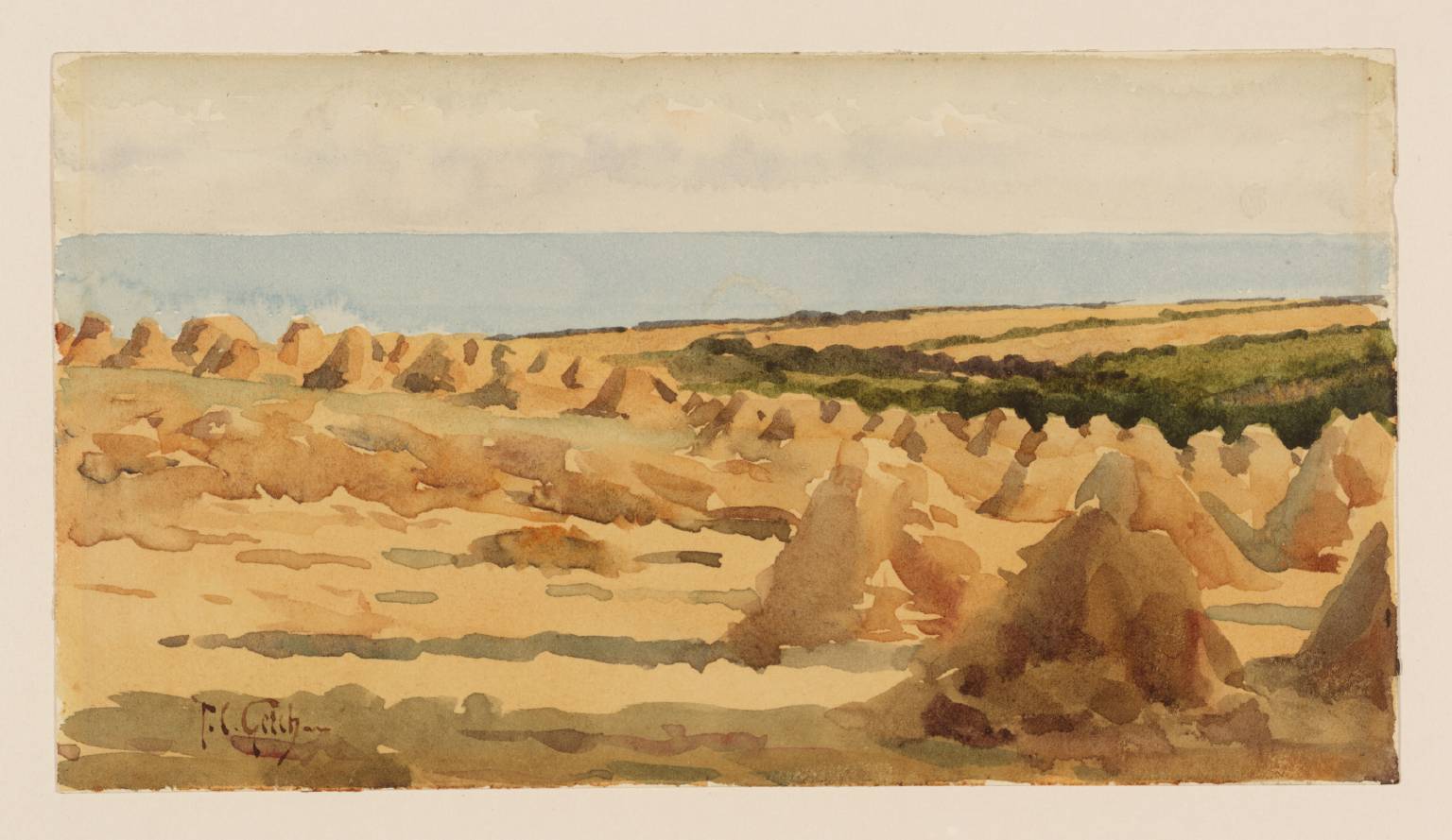
Thomas Cooper Gotch or T. C. Gotch (1854–1931) was an English painter and book illustrator loosely associated with the Pre-Raphaelite movement; he was the brother of John Alfred Gotch, the architect.
Gotch studied art in London and Antwerp before he married and studied in Paris with his wife, Caroline, a fellow artist. Returning to Britain, they settled into the Newlyn art colony in Cornwall. He first made paintings of natural, pastoral settings before immersing himself in the romantic, Pre-Raphaelite romantic style for which he is best known. His daughter was often a model for the colourful depictions of young girls.
His works have been exhibited at the Royal Academy, Royal College of Art and the Paris Salon.
This biography is from Wikipedia under an Attribution-ShareAlike Creative Commons License. Spotted a problem? Let us know.
Read full Wikipedia entry